Understanding Vinyl Siding: Benefits and Considerations
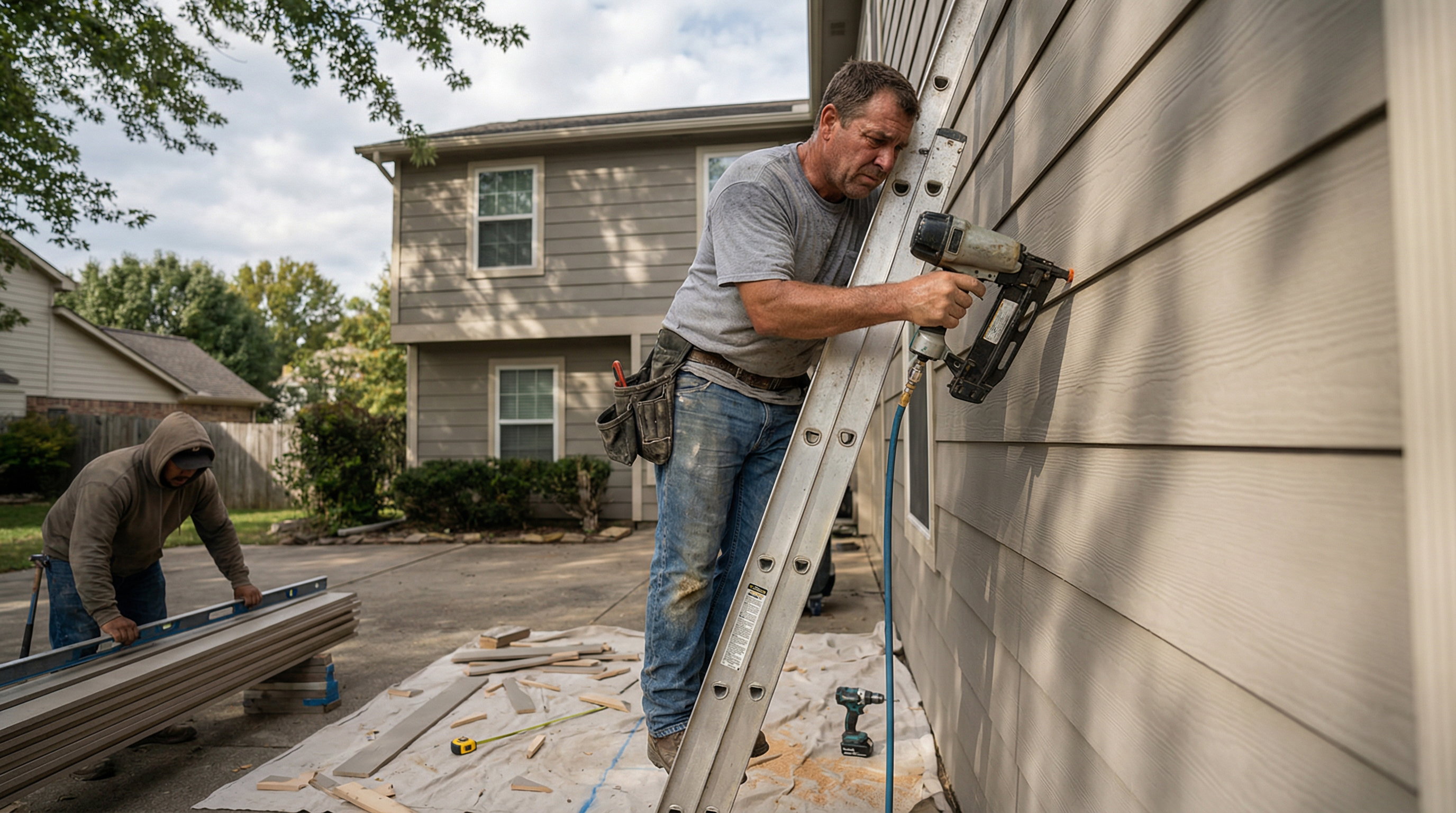
Vinyl siding has become one of the most popular exterior cladding materials among homeowners and builders alike. Offering a blend of durability, affordability, and low maintenance, vinyl siding is an excellent choice for a variety of architectural styles. Whether you are building a new home or renovating an existing one, understanding the advantages and considerations of vinyl siding can help you make an informed decision.
One of the primary benefits of vinyl siding is its extensive range of styles, colors, and textures. Homeowners can choose from traditional lap siding, vertical panels, or even decorative options such as shakes and scallops. This versatility allows you to customize the aesthetic of your home, enhancing curb appeal while accommodating various tastes and architectural themes. Furthermore, advancements in manufacturing have led to more realistic textures and colors that can mimic natural materials like wood. For this reason, view here for vinyl siding tips.
Durability is another significant advantage of vinyl siding. It is resistant to moisture, insects, and extreme weather conditions, making it a long-lasting option that is less likely to warp, crack, or fade compared to other materials. Most vinyl siding products come with warranties ranging from 20 to 40 years, providing added peace of mind. This durability also translates to lower maintenance needs; a simple wash with a hose and mild detergent is often sufficient to keep it looking fresh.
However, while the benefits of vinyl siding are considerable, there are some factors to consider before installation. One of the concerns is its environmental impact. Vinyl siding is made from polyvinyl chloride (PVC), a type of plastic that can be challenging to recycle. Although some manufacturers are now offering more environmentally friendly options, potential buyers should be aware of sustainability issues related to vinyl products. To help you understand more, visit: https://superiorindustries.net/.
Another consideration is that, while it is relatively resistant to minor impacts, vinyl siding can crack or become damaged under severe conditions or heavy impacts. Therefore, locations prone to hail storms or falling branches may require additional precautions. Additionally, if you are looking for a more upscale or traditional appearance, some homeowners feel that vinyl siding lacks the authenticity of materials like wood or stone.
In conclusion, vinyl siding is a practical and versatile choice for many homeowners thanks to its durability, aesthetic flexibility, and low maintenance requirements. However, it’s essential to weigh the environmental implications and its performance in different conditions. By carefully considering these factors, you can determine if vinyl siding is the right choice for your home, ensuring that you achieve both functionality and beauty in your home exterior. Check out this related post to get more enlightened on the topic: https://www.britannica.com/technology/siding.